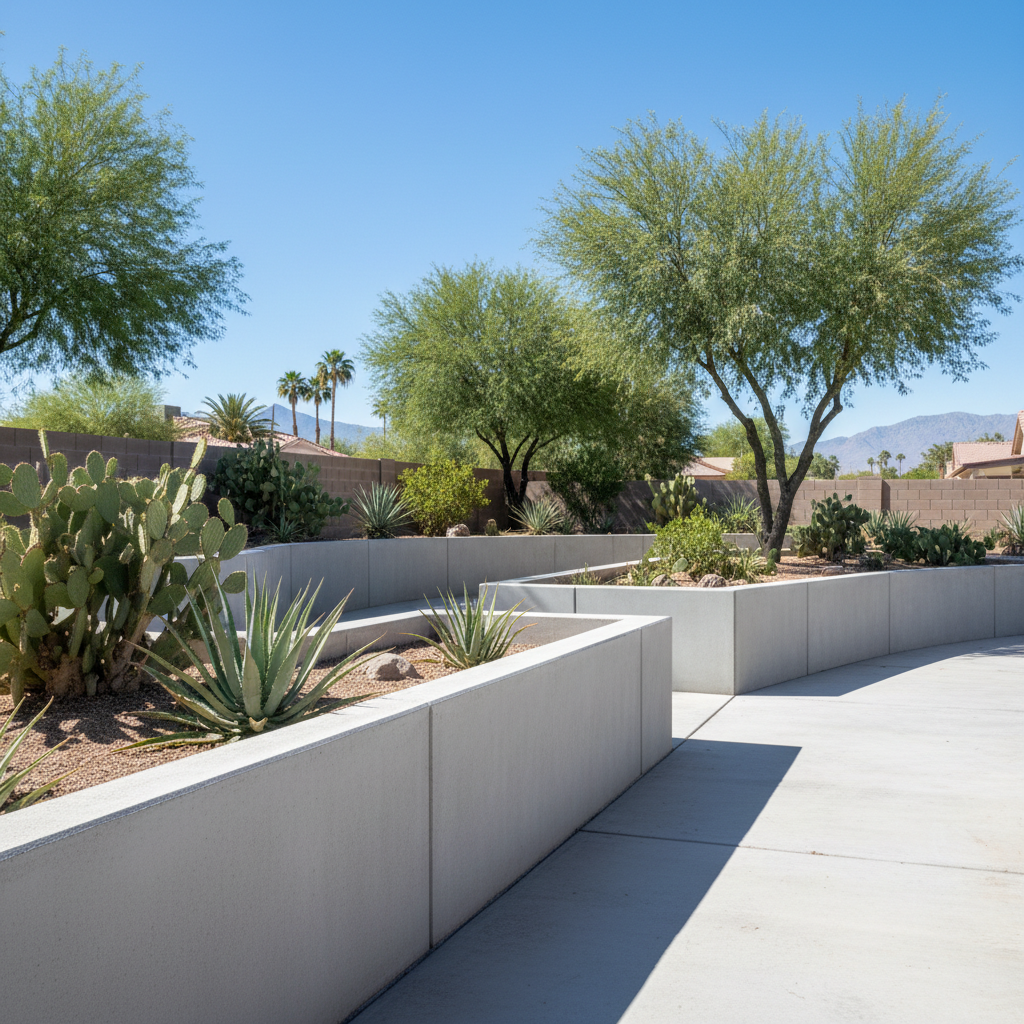
So, you're thinking about putting in a concrete retaining wall. Maybe your yard slopes, or you're trying to carve out some level, usable space. Or perhaps you're just battling erosion. Whatever the reason, a well-built concrete retaining wall can really change things for your property, especially with how our Laveen soil tends to shift and wash away.
Setting Your Project Timeline: What to Expect
Let's talk timelines first, because nobody likes surprises, right? A concrete retaining wall isn't a weekend DIY project, and it definitely won't happen overnight. From the moment you decide you want one to the day it's finished, you're usually looking at several weeks — sometimes even a couple of months. It just depends on the size and how complicated the job is.
- Initial Consult & Design: This part can take a week or two. We'll come out, check out your property, chat about what you're hoping for, and figure out the best way to tackle it. Sometimes, if it's a really tall wall or close to a building, you might even need an engineer to sign off.
- Permits: This is often the biggest wild card. In Laveen, if your wall goes over a certain height (usually 3-4 feet, but always double-check with the city), you'll need a permit from the City of Phoenix. Getting that can take anywhere from a few weeks to a couple of months. It really depends on how swamped the planning department is and if they ask for any revisions. Don't skip this step, by the way; it'll save you a ton of headaches later.
- Material Ordering: Once we have those permits in hand, we'll order all the materials. Concrete, rebar, drainage rock – these usually show up pretty fast, but it's smart to budget about a week or so for delivery.
- Construction: The actual build time for most residential retaining walls is typically 1 to 3 weeks. That includes digging, setting up forms, putting in the rebar, pouring the concrete, and then letting it cure just right.
So, if you're planning for a specific event or season, start early. Like, really early.
What Happens During the Build?
When we're actually on site, here's a rough idea of what you'll see us doing:
- Site Prep & Excavation: We'll mark out where the wall goes, then get to digging. This is where we might hit caliche, which is super common around here, and that can slow things down a bit. We'll dig the trench for the footing and make sure the whole area is clear.
- Footing & Rebar: The foundation is everything, right? We'll lay down the rebar for the footing and also the vertical rebar that will reach up into the wall itself. This is absolutely critical for strength and stability.
- Formwork: This is when the wall really starts to take shape. We build the forms that hold the wet concrete in place until it hardens.
- Concrete Pour: The exciting part! The concrete truck arrives, and we pour the concrete into the forms. This needs to be done carefully and quickly to make sure the wall comes out strong and even.
- Curing & Stripping Forms: Concrete needs time to cure and get strong. We'll usually leave the forms on for a few days, then carefully take them off.
- Backfill & Drainage: Good drainage behind a retaining wall isn't optional, especially with our monsoon rains. We'll often use gravel or a drainage board to keep hydrostatic pressure from building up and messing with the wall. Then we backfill with soil.
It's a process, and it can be a little messy for a while, but the final result is totally worth it.
How to Prepare Your Property
Before any crew shows up, there are a few things you can do to make everything go smoother:
- Clear the Area: Move any patio furniture, potted plants, or anything else that's in the way of the proposed wall and the path for our equipment.
- Mark Utilities: Call 811 before any digging starts. They'll mark public utility lines for free. For private lines (like irrigation or gas lines to a BBQ), you'll need to find those yourself or hire a private locator.
- Talk to Neighbors: If the wall is close to your property line, give your neighbors a heads-up. Good communication helps avoid misunderstandings.
- Plan for Access: Think about how equipment (like a bobcat or concrete buggy) will get to the work area. Is there enough space?
Questions to Ask Before You Sign That Contract
You want to be sure you're working with a good contractor. Here are some key questions I'd definitely ask:
- Are you licensed, bonded, and insured? Don't even think about hiring someone who isn't. Ask for proof.
- Do you handle the necessary permits, or is that my job? A good contractor will take care of the permits.
- Can you give me references from recent retaining wall projects? And actually call them!
- What kind of warranty do you offer on your work?
- How will you manage drainage behind the wall? This is super important.
- What's the payment schedule? You shouldn't be paying for the whole thing upfront.
- What's included in the price, and what's not? Are excavation, backfill, and cleanup part of the deal? What about hauling away extra dirt?
- What's your estimated timeline for finishing the job, including getting permits?
- What steps do you take to protect the site and clean up during and after the project?
At Kingdom Concrete Laveen, we make sure all these questions get answered right away. We believe in clear talks and doing the job right the first time. A concrete retaining wall is a big investment in your home, so take your time, do your homework, and pick a contractor you really trust.